
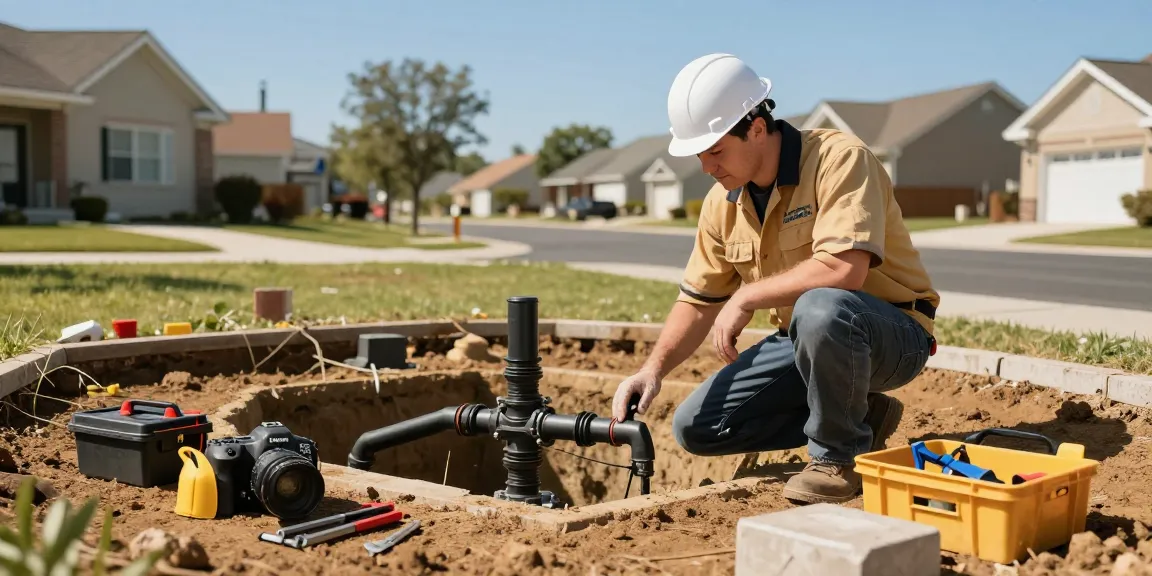
Understanding Septic Cleaning and Its Importance
Septic cleaning plays a crucial role in maintaining the health of your septic system, which is a vital component for homes and businesses that rely on them for waste management. Regular maintenance not only ensures the proper functioning of the system but also aids in preventing costly repairs and environmental hazards. Homeowners, property managers, and consumers searching for reliable local service providers should be well-informed about what septic cleaning entails, its significance, and the best practices for ensuring a functional system year-round. When exploring options, septic cleaning services in your area can offer peace of mind and expert assistance.
What to Expect During Professional Septic Cleaning
Professional septic cleaning typically involves several steps to ensure the system is thoroughly examined and serviced. Initially, the service provider will inspect the septic tank’s accessibility and condition. This includes identifying the correct location of the tank, checking for any visible signs of leaks or damage, and assessing the overall health of the system. Following the inspection, technicians will pump out the contents of the tank using specialized equipment, which can include vacuum trucks.
During this process, the technician will also clean the tank’s inlet and outlet baffles to prevent any clogs and ensure effective operation. Lastly, they may test the drain field’s functionality and advise on any additional maintenance tasks required to keep the system running efficiently. The entire process can take anywhere from one to three hours, depending on the tank’s size and the system’s condition.
Key Benefits of Regular Septic Maintenance
- Cost Savings: Regular cleaning can reduce the likelihood of major repairs, which can be significantly more expensive.
- Preserving System Lifespan: By maintaining cleanliness, you prolong the life of your septic system, potentially saving homeowners from the intense inconvenience and cost of replacements.
- Preventing Environmental Contamination: A well-maintained septic system mitigates risks associated with contamination of groundwater and local water sources.
- Health Safety: Unclean septic systems can release harmful pathogens into the environment, posing health risks to both residents and wildlife.
Common Misconceptions About Septic Systems
There are various myths concerning septic systems and their maintenance that can lead to costly mistakes. A common misconception is that septic tanks do not need regular maintenance if they are not showing signs of problem. However, systems can be failing well before any visible signs such as backup occur.
Another myth is that flushing non-biodegradable items or chemicals will not have adverse effects on the system. In reality, only flush waste and toilet paper; other items can clog the system or disrupt the necessary bacterial balance. Understanding the truths about septic systems can empower homeowners to take preventive action and avoid emergencies.
Choosing the Right Local Septic Cleaning Service
Choosing the right septic cleaning service can significantly impact the effectiveness of the maintenance process. It’s essential to research and evaluate local providers to find a service that meets your needs and standards. Considerations like company reputation, experience, and customer service capabilities are critical factors to ensure you are getting reliable service.
Researching Local Providers in Your Area
Start by seeking recommendations from neighbors, friends, or online reviews. Look for local septic cleaning services that have a strong reputation in your community. Check platforms like Google, Yelp, or Angi to find verified reviews and ratings from previous customers. This initial research stage will provide insights into the expertise and reliability of local providers.
Factors to Consider: Licenses and Insurance
Always verify that septic cleaning companies are licensed and insured. Licensed companies have undergone necessary training and meet local standards, ensuring that they operate within legal and safety guidelines. Insurance, on the other hand, protects you from liability in case of accidents during service. It’s wise to ask for proof of both when considering a service provider.
Customer Reviews: Gauge Reputation and Trust
Pay close attention to customer feedback when analyzing potential service providers. Positive reviews from previous clients are indicative of dependable service and expert solutions to septic issues. Look for consistent praise regarding punctuality, professionalism, and work quality. Be cautious of providers with numerous negative reviews, as this could signal reliability issues or poor service quality.
Septic Cleaning Pricing: What You Need to Know
Average Costs for Septic Cleaning in 2026
As of 2026, the average cost for septic cleaning typically ranges between $250 to $500, depending on factors such as the system size, location, and condition. In metropolitan areas, costs may be slightly higher due to demand and service availability, while rural areas may see a more affordable range. Always request a detailed estimate before scheduling service to ensure no hidden fees surprise you later.
DIY vs. Professional Service Cost Breakdown
While some homeowners may consider DIY methods for minor maintenance, professional service is essential for proper septic cleaning. The costs of renting equipment, purchasing necessary supplies, and the potential for costly mistakes often outweigh the expenses of hiring a licensed professional. Investing in professional septic cleaning ensures that the job is done correctly and adheres to local regulations.
Hidden Costs to Look Out For
When budgeting for septic cleaning, be mindful of potential hidden costs. Some providers may charge additional fees for diagnostics, tank inspections, or emergency services. Ensure that you discuss all potential costs upfront and clarify what is included in the quoted price. It’s also advisable to read contracts carefully and ask questions about any unclear terms to avoid surprises.
Emergency Septic Cleaning Services: Availability and Response
When to Call Professionals for Emergencies
Recognizing when to call professionals for emergency septic cleaning is crucial for preventing extensive damage. Signs that warrant immediate attention include sewage backups in your home, foul odors surrounding your property, and slow drains throughout the system. Waiting too long to address these issues can lead to costly repairs and significant disruptions.
Response Times and What to Expect
The response time for emergency septic cleaning services can vary widely depending on the service provider and the time of day. Many reputable companies offer same-day service for emergencies, while others may schedule an appointment within a few days. Always inquire about response times when choosing a service, and ensure they are equipped to handle emergencies quickly and efficiently.
After-Hours and Weekend Service Options
Understanding the availability of after-hours and weekend septic cleaning services is important, especially for emergencies. Some companies charge extra for services outside normal business hours, while others include it in their standard pricing. It’s essential to ascertain these details before committing to a service to ensure that you can access help when needed without incurring unexpected costs.
Maintaining Your Septic System Year-Round
Seasonal Maintenance Tips for Septic Systems
Proper maintenance of your septic system isn’t a one-time event; it requires ongoing attention throughout the year. During each season, specific maintenance tasks can help protect your system: in spring, inspect for leaks after heavy rains; in summer, refrain from overloading the system during parties or gatherings; in fall, prepare the tank for colder months by ensuring proper insulation; and in winter, monitor for freezing conditions that could impede functionality.
Local Regulations Impacting Septic Systems
Each locality may have regulations affecting septic systems, particularly regarding installation, inspection, and maintenance. Familiarizing yourself with local regulations, especially when purchasing a home or planning new construction, is vital. Many jurisdictions require regular inspections of septic systems, and keeping abreast of changes in regulations can save homeowners from costly fines and requirements.
How Community Practices Can Influence Septic Health
The health of your septic system can be influenced by the overall practices within your community. For instance, overloaded systems result from improper waste disposal habits, such as flushing non-biodegradable materials or chemicals. Participating in local educational initiatives about septic health can contribute to the longevity of systems in your area, ensuring their proper functioning and lessening the risk of widespread issues.
Frequently Asked Questions
How often should I have my septic tank cleaned?
Generally, it is recommended to have your septic tank cleaned every three to five years, depending on household size and water usage. Larger families or homes with high water usage may need more frequent cleanings.
What are the signs I need septic cleaning?
Common signs that may indicate your septic tank needs cleaning include slow draining sinks, frequent backups, foul smells near the tank, or lush green patches in your yard where the drain field is located. Prompt action can prevent more severe issues.
Is septic cleaning covered by insurance?
Coverage for septic cleaning by homeowners insurance policies varies significantly. For more information, Miltonsepticpumping.com offers valuable insights. Some plans may cover emergencies related to septic system failures, while routine cleaning is often considered maintenance and may not be included. Contact your insurance provider for detailed information specific to your policy.

